
Author: GrowthCharter
The TikTok Agency
Author: GrowthCharter
The TikTok Agency
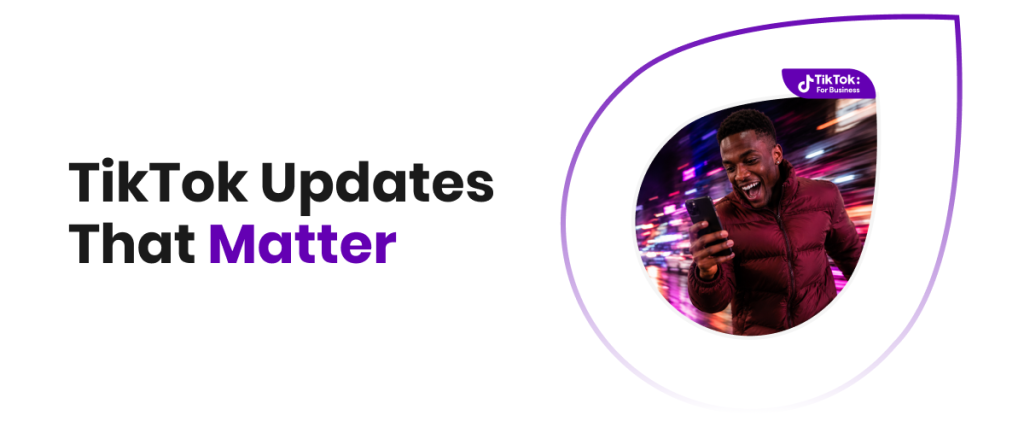
TikTok updates only matter if they change how brands operate. The big shift is away from fragmented TikTok setups and toward joined-up systems: verified brand profiles, creator workflows, paid media, Spark Ads, reporting, and landing pages all working together. For South African brands, the real 2026 opportunity is not chasing every new feature it is building a cleaner TikTok growth system.
TikTok changes all the time, but most updates do not matter equally to brands. A lot of teams read every product note, every small rollout, and every platform announcement, then carry on working in exactly the same way. That is why “what’s new” can become a trap. It sounds strategic, but it often turns into noise.
The useful question is much simpler: which updates should South African brands actually act on in 2026 if they want better organic performance, stronger paid media, and a cleaner operating model?
The first big change is the shift away from messy brand setups. TikTok has said it is phasing out Custom Identity for new campaigns and pushing advertisers toward verified, linked profiles (TikTok for Business, 2026a). That matters more than it sounds. For years, some brands treated paid media like a separate machine. Ads lived in Ads Manager. Organic lived on a neglected profile. Creator content sat in email chains and WhatsApp groups. Permissions were slow. Reporting was disconnected. That setup is now becoming harder to justify.
The practical takeaway is clear. Your TikTok profile is no longer a decorative extra. It is part of your performance infrastructure. The brand page, the creator workflow, the paid campaign structure, and the landing experience need to work together. If they do not, you create friction before a campaign even starts.
The second shift is creator operations. TikTok One matters because it is not just a creator marketplace story. It is a signal that TikTok wants brands, creators, and advertisers to work in one connected environment (TikTok Support, 2026). That should change how brands think about creator partnerships. The old model was campaign by campaign, creator by creator, asset by asset. The stronger model is now always-on. Build a pipeline. Build repeatable briefing. Build faster approvals. Build a process that lets strong organic posts move into paid quickly.
That is especially relevant in South Africa, where many brands still treat creator work as a content line item instead of a performance layer. In reality, creator content often sits closest to what the platform rewards: native delivery, clearer hooks, better audience trust, and stronger watch behaviour. The brands that build a creator system instead of running isolated creator moments will have an advantage.
The third shift is better audience intelligence. TikTok Market Scope points to where platform planning is going. It brings together first-party signals, content interactions, creator activity, and modelling to help brands understand how audiences move through the ecosystem (TikTok for Business Help Center, 2026). The lesson is not that every South African brand will get access tomorrow. The lesson is that platform strategy is moving beyond vanity reporting.
Too many teams still judge TikTok using only surface numbers. They ask: what was the CPM, what was the CPC, what was the CTR? Those metrics matter, but they are not enough. They do not tell you which creator angle is building trust, which message theme is pulling stronger intent, which organic content deserves paid support, or which part of the landing journey is killing conversion. That matters on a platform that still commands major user and marketer attention in 2026 (The Social Shepherd, 2026).
The fourth update brands should care about is how tightly TikTok now connects creativity and media. The platform is making it easier to identify high-potential content, authorise assets, and boost them as Spark Ads. That sounds tactical, but it changes team structure. Creative cannot sit in one corner and media in another. On TikTok, the media plan is only as strong as the content system feeding it.
This is why the smartest 2026 move is not chasing every new feature. It is fixing the operating model behind the work.
For South African brands, that means five practical actions.
First, clean up your account structure. Your business profile, creator permissions, and paid setup should be joined up. Second, treat your content engine like a testing engine. You are not only publishing to fill the grid. You are publishing to learn what deserves scale. Third, build a repeatable creator workflow so briefs, approvals, rights, and boosting do not slow the team down. Fourth, improve reporting so you can compare content themes, creators, hooks, and landing page performance in one view. Fifth, stop separating organic and paid thinking as if they belong to different departments.
This matters because TikTok is no longer a side-channel. It is now a proper growth environment. The brands that win in 2026 will not be the ones shouting that they are “doing TikTok.” They will be the ones running a cleaner system: stronger profile setup, better creator operations, faster content iteration, tighter media integration, and better post-click performance.
That is the real update South African brands should care about.
Not the feature list. The operating shift.
The real shift in 2026 is not a longer feature list. It is a tighter operating model. South African brands need a cleaner business setup, a stronger creator system, and better alignment between organic, paid, and post-click performance. If your team needs help turning TikTok updates into a proper growth system, speak to GrowthCharter. Explore our TikTok services, see how our TikTok agency model works in South Africa, or contact us to plan your next move.
Author: GrowthCharter
The TikTok Agency
Author: GrowthCharter
The TikTok Agency
Author: GrowthCharter
The TikTok Agency